Every time your thermostat calls for heat, the furnace works through a fixed checklist. The inducer motor starts and proves draft by closing a pressure switch, the hot surface igniter heats up, the gas valve opens, the burners light, and the flame sensor confirms there is fire. Only after all of that does the blower begin sending warm air into the house. Finding the step that fails is most of the job. Around Atlanta, GA, the usual failure points are an oxide-coated flame sensor, an igniter cracked by years of heating and cooling, a pressure switch that stays open because of a weak inducer or a clogged condensate trap on a high-efficiency unit, and control boards with burned relays. Each one halts the startup, and from the hallway they all look alike.
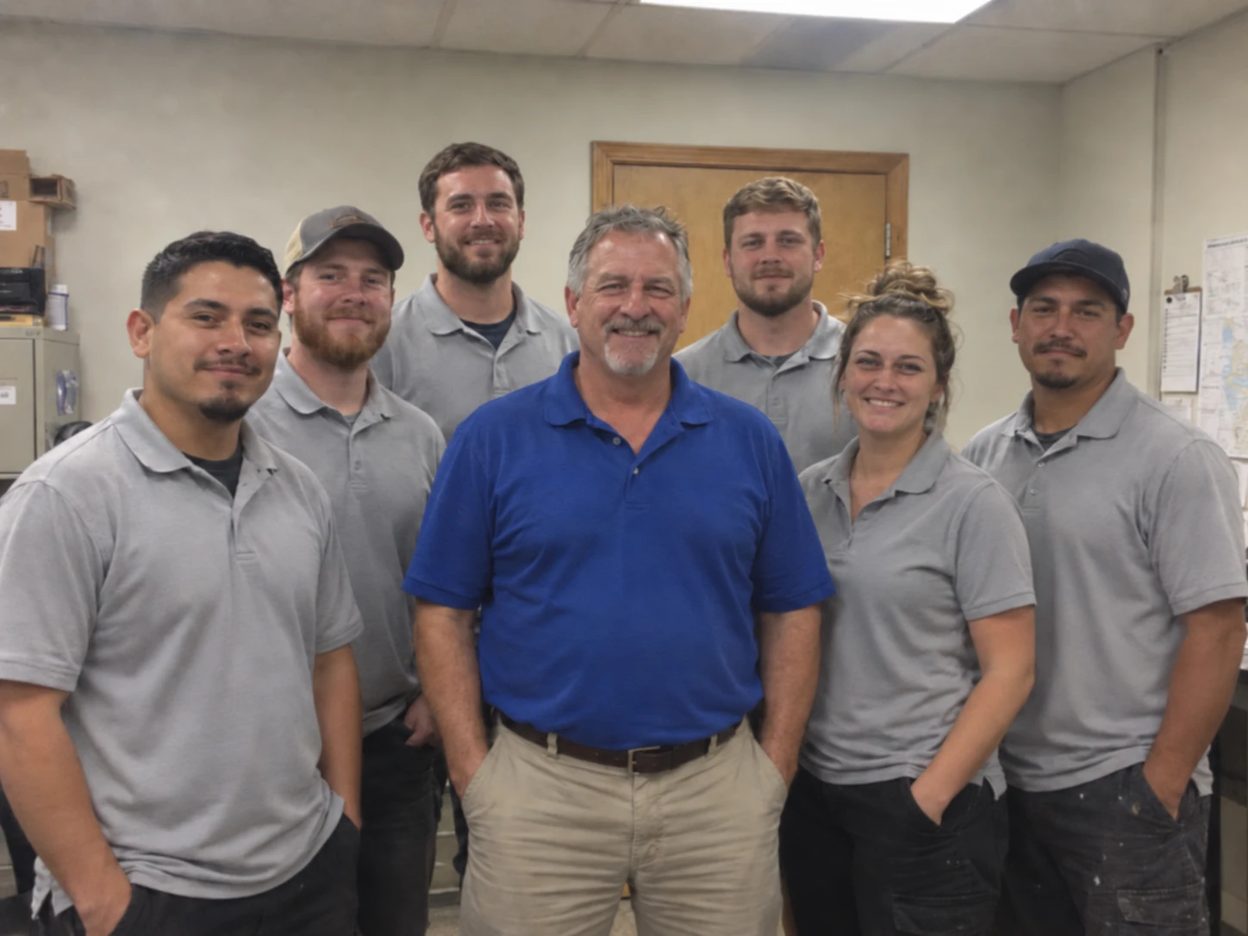
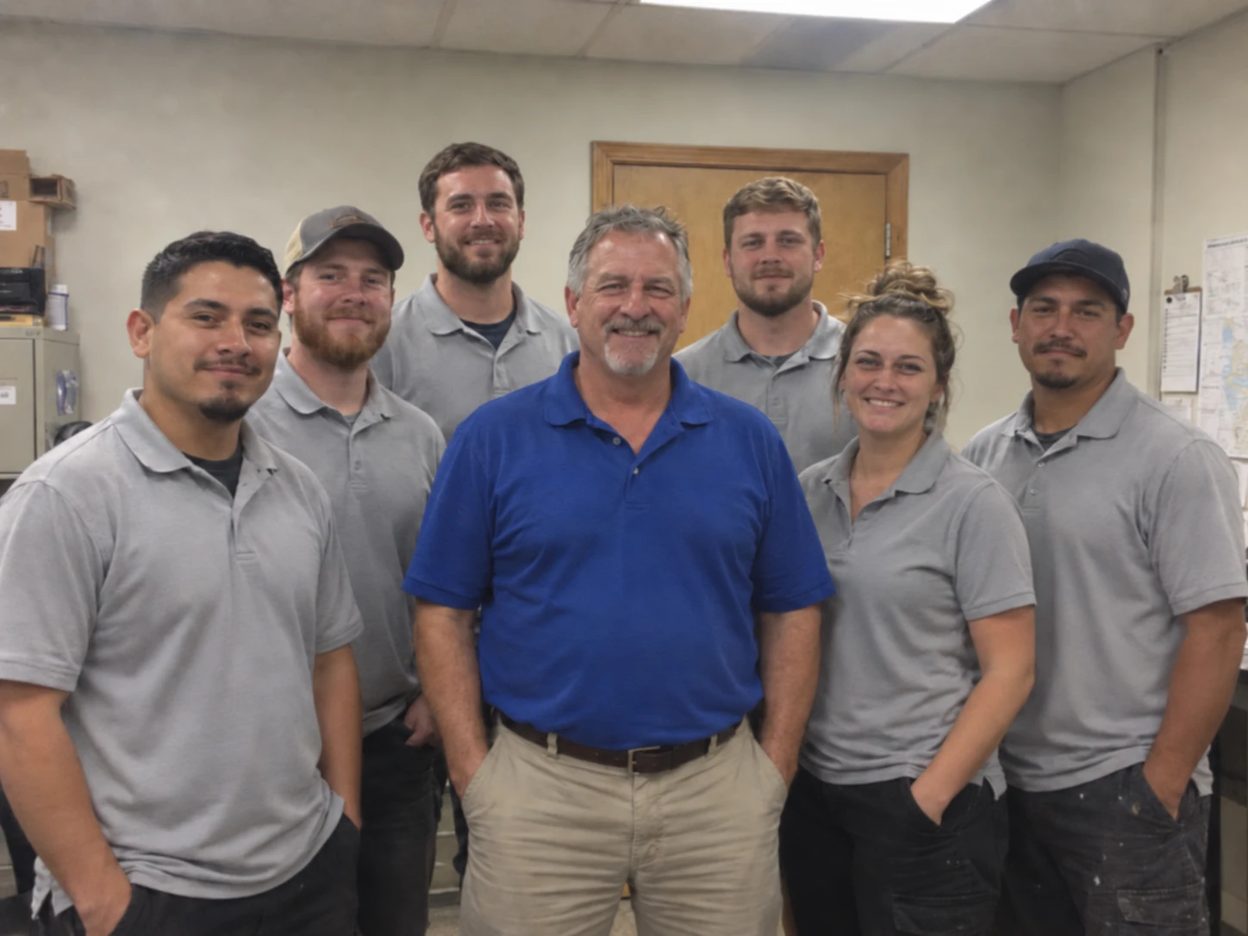
Our experienced technicians diagnose a furnace the way it operates, in order, measuring each stage as it happens. That means igniter resistance, microamp flame signal, pressure switch operation under actual inducer draft, gas valve voltage, and blower and capacitor condition. Safety checks are never optional on a gas appliance: heat exchanger inspection, leak testing on the gas connections, and flue draft verification, since a hazard is not visible at the thermostat. We finish by checking temperature rise against the data plate, making sure the burner and blower are matched the way the manufacturer designed them to.
Atlanta HVAC services natural gas, propane, and electric furnaces of every major brand, from standard 80 percent units to condensing high-efficiency models with their traps, drain lines, and dual pressure switches. Our trucks carry the parts that actually fail, such as igniters, flame sensors, pressure switches, capacitors, inducer assemblies, and blower motors, so a typical no-heat call ends with the house warming up. Call (470) 200-2847 for furnace repair anywhere in Atlanta, and we can have someone out today.
When the AC quits in summer, see AC Repair in Atlanta.
How Much Does Furnace Repair Cost in Atlanta?
For most Atlanta homes, a furnace repair runs $150 to $600. Cleaning a flame sensor is a small job; replacing a blower motor or control board is a bigger one. You'll get a written, upfront price from Atlanta HVAC after we diagnose the problem.
| Repair | Typical cost | What it usually means |
|---|---|---|
| Flame sensor cleaning or replacementFurnace lights, then shuts off within seconds | $80–$250 | Burners light but cut out almost immediately |
| Hot surface igniter replacementFurnace clicks and tries to start but never lights | $150–$400 | Furnace clicks and tries to start but never lights |
| Draft inducer motorLoud humming or grinding at startup, then lockout | $400–$1,000 | Startup fan fails, furnace won't fire |
| Blower motorBurners run but little or no air comes out of the vents | $400–$1,500 | No airflow, or the blower runs nonstop |
| Control boardFurnace won't respond to the thermostat | $300–$700 | Furnace won't respond to the thermostat |
| Gas valve replacementValve fails to open, so the furnace never lights | $250–$700 | Valve fails to open, so the furnace never lights |
Typical ranges for common repairs. Your exact price is quoted after diagnosis.
What Moves the Cost Up or Down
- The age and efficiency of the furnace, since high-efficiency models use more specialized parts
- A cracked heat exchanger, which is a safety issue and usually points to replacement
- Timing, such as a no-heat call on a cold night versus a scheduled repair
- Access to the furnace in attics, closets, or crawlspaces
When a repair gets expensive on an aging furnace, you'll see both options before deciding. No heat right now? Call (470) 200-2847.
Warning Signs for Furnace Repair
Recognizing the warning signs early can save you time, money, and prevent significant damage to your property. Here are the most common indicators that it's time to call a professional:
- Rust streaks, soot, or water around the cabinet or flue
- The furnace clicks and glows but the burners never light
- A furnace that shuts off every few minutes before the house warms up
- Booming or banging at light-off from delayed ignition
- Burners light, run a few seconds, then shut down repeatedly
- Grinding or high-pitched squeals from the blower
- Air moving through the vents that never gets warm
- A flame that burns soft and yellow rather than steady blue
Act Before It Gets Worse
Most HVAC failures start small, a weak capacitor, a squealing blower, a system that runs a little longer each week. At the first hint of a problem, reach out to Atlanta HVAC at (470) 200-2847 for a fast inspection.
Ready to Solve Your Furnace Repair Problem?
Call our expert team for pricing today.
Get Help: (470) 200-2847Your Furnace Repair Questions Answered
The Benefits of Professional Furnace Repair
The most serious furnace problem is usually hidden. A cracked or corroded heat exchanger can let combustion gases into the airstream, and nothing about it is visible from the outside of the cabinet. Delayed ignition makes things worse, because each boom at light-off puts more stress on that metal. Add high voltage, a gas valve, and a flue to the same box, and the margin for error shrinks. Diagnosis is full of traps too. A high limit that keeps tripping could be a bad switch, or it could be doing exactly its job because a filter is clogged or the blower is dying, and replacing a good switch only hides the real fault.
Our experienced technicians treat every symptom as a question about the whole system. Flame signal gets measured rather than assumed, so a healthy sensor is never replaced while a cracked igniter or weak gas valve skates by. Draft is verified at the pressure switch and the flue. Temperature rise is checked against the data plate, which is how airflow problems get caught before they shorten the exchanger's life. And the gas side is leak-tested with instruments, not a sniff and a shrug. The result is a furnace that has been proven safe and correct under a full cycle, and an honest report if the unit is nearing the point where replacement beats another repair.
How Our Furnace Repair Works
Our systematic workflow delivers thorough, lasting results on every job. Here's what you can expect when you choose Atlanta HVAC:
Step-by-Step Diagnosis
We run the furnace through its startup while we measure inducer draft, pressure switch response, igniter resistance, flame signal, and gas valve operation. The goal is to pinpoint the exact step that fails.
Safety Inspection
Every repair includes a safety check: heat exchanger inspection, instrument leak testing on the gas side, and flue draft verification, because a furnace that runs is not the same as a furnace that runs safely.
Expert Repair
Igniters, flame sensors, pressure switches, capacitors, and motors ride on the truck, so most furnaces are lit and heating again before we pack up.
Full Verification
Before we leave, the furnace runs full cycles while we check temperature rise against the data plate, listen for clean, quiet ignition, and test each limit and safety control.
Furnace Repair Prevention Tips
Smart maintenance is almost always cheaper and easier than an early replacement. Start with these practical measures our team relies on:
- Replace the filter every month while the furnace is working hard, since it costs less than any other part
- Notice how the furnace sounds at startup, because a quiet light-off is healthy and a boom is not
- Make sure the furnace has clear combustion air; a packed utility room starves the burners
- Keep storage, lint, and especially chlorine-based products away from the furnace closet
- Book a fall tune-up so weak igniters and fouled sensors are caught before the first freeze
- Keep a working carbon monoxide alarm on every level of the home and check it each month
- Keep the condensate trap and drain clear on high-efficiency units to prevent lockouts
Should You DIY or Call a Pro?
A homeowner can swap a filter with ease, but diagnosing capacitors, refrigerant charge, control boards, and error codes calls for the equipment and know-how only a pro brings. Consider the following comparison:
| Factor | DIY Attempt | Professional Service |
|---|---|---|
| Exchanger Cracks | Damage hidden inside the cabinet | Examined as standard on each call |
| Ignition Faults | Guesswork based on blink codes | Each ignition component tested |
| Gas Safety | Small leaks missed entirely | Every fitting checked with a detector |
| Limit Trips | Safety switch bypassed or swapped | Filter, blower, and ducts checked for the cause |
| Airflow Match | Airflow assumed, not measured | Rise measured and blower adjusted |
| Final Check | It lit once, call it fixed | Clean, safe operation verified over full cycles |
Get Furnace Repair Help Today
Every day you wait puts more strain on a struggling unit. Get Atlanta HVAC on the job today.
Call (470) 200-2847 TodayAreas We Serve for Furnace Repair
We serve Atlanta and its neighboring communities for furnace repair, from quick same-day repairs to planned installs.